2026-10-28 · Teguh
Selecting Finishes for Chandler Kitchens Exposed to Sunlight
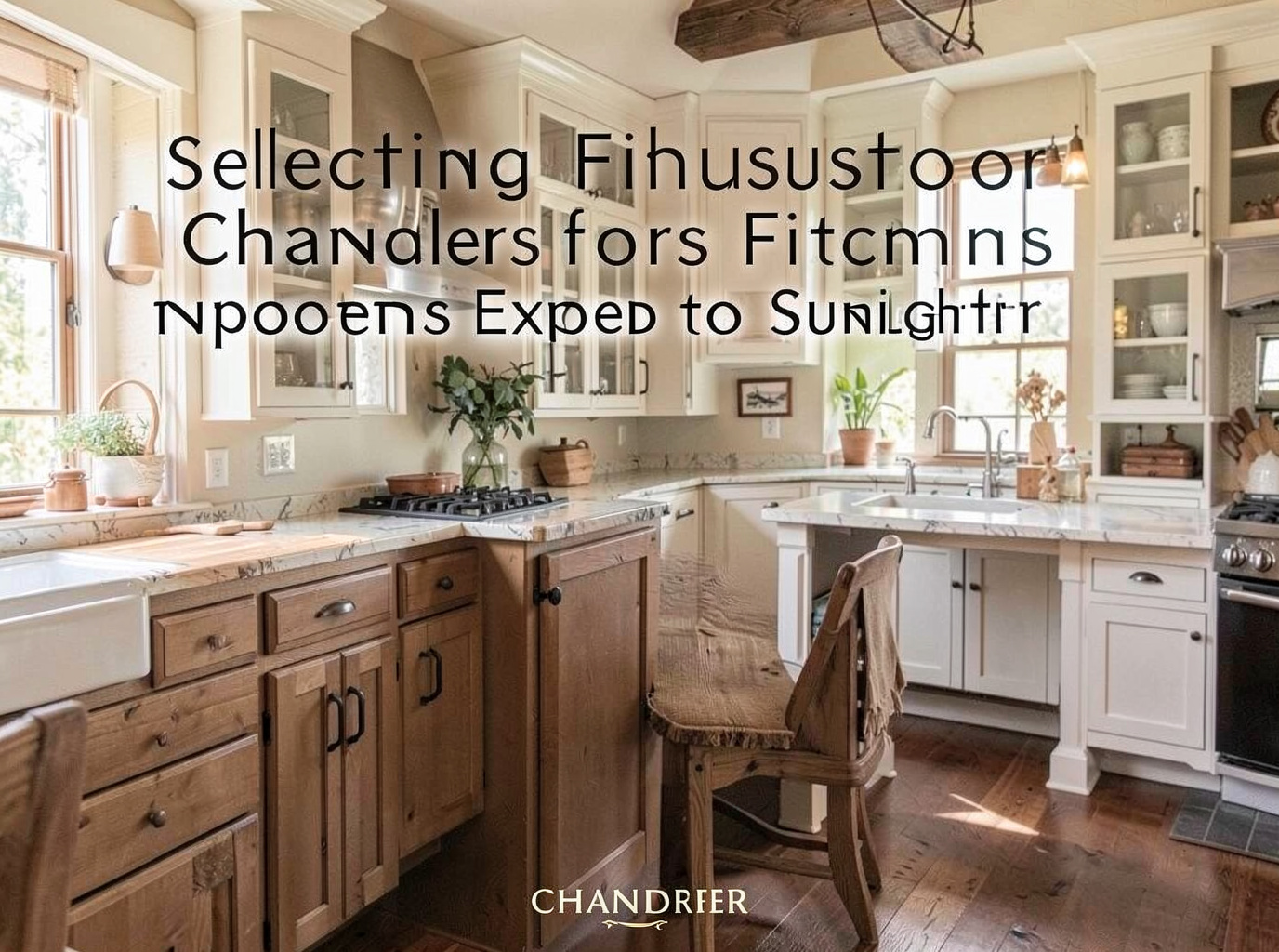
In Chandler's hot desert climate, the finishes that last longest on sun-exposed kitchen cabinets are UV-resistant conversion varnish or catalyzed lacquer topcoats, lighter pigmented stains or painted finishes with UV inhibitors, and medium-density sheens like satin or eggshell — expect 10–20 years of good appearance from a properly catalyzed topcoat versus 3–7 years for a standard big-box lacquer or oil-based finish on a wall that takes direct afternoon sun. The reason is simple physics: a west-facing cabinet run in Ocotillo or Chandler Heights can hit surface temperatures well above the ambient air temperature during a 110°F+ July afternoon, and UV radiation in Maricopa County is among the most intense in the country at this elevation. Heat and UV together break down the resin in the finish itself — not just the color underneath — so the finish chalks, checks, and loses adhesion. If your kitchen has windows within a few feet of the cabinets, finish selection matters as much as wood selection, and it deserves the same attention you'd give to layout in custom kitchen cabinet design.
Why Sunlight Destroys Cabinet Finishes Faster in Chandler Than Almost Anywhere Else
Two forces work on a sunlit cabinet door here: UV degradation and thermal cycling. UV light breaks the polymer chains in the coating, which is why a cherry-stained door that glows deep red in year one looks washed-out orange-brown by year four in a south-facing Downtown Chandler bungalow kitchen. Thermal cycling is the sneakier problem — a painted door near a window swings from roughly 70°F in the morning to 130°F+ by 3 p.m. in summer, then back down after sunset. That daily expansion and contraction flexes the finish until it develops hairline cracks along panel edges and raised-panel profiles, and once the coating cracks, monsoon-season humidity in July and August gets underneath it. Older homes near the Chandler Fashion Center and the post-war ranches running toward Mesa and Tempe often have original single-pane or early dual-pane windows with no low-E coating, which transmit far more UV than modern glass — a real consideration if you're restoring rather than gutting. If your cabinets are already showing this damage, cabinet refacing with a modern UV-stable finish is often more economical than full replacement, and we covered the moisture side of that equation in our piece on protecting kitchen cabinets during Arizona monsoon season.
The Finishes That Actually Hold Up: Ranked by Sun Performance
After years of building and finishing cabinets for kitchens across Chandler, Sun Lakes, and the surrounding East Valley, here's how the common options stack up against direct sun exposure:
- Conversion varnish (catalyzed) — the workhorse. Two-part chemistry that cures hard, resists UV far better than standard lacquer, and holds sheen for 10–20 years even on bright exposures. This is our default recommendation for any kitchen with windows within 6 feet of the cabinet run.
- Waterborne acrylic enamel with UV inhibitors — excellent color stability, especially in whites and light grays, which are the most popular palette in Ocotillo's open-plan homes anyway. Slightly softer film than conversion varnish but very resistant to yellowing.
- Catalyzed lacquer — good middle ground; faster to apply, decent UV resistance, 8–12 years of service in filtered light, less in direct afternoon sun.
- Oil-based polyurethane — the one to avoid on sunlit walls in Maricopa County. It amber's noticeably within 2–3 years under our UV load, turning a crisp white door cream-colored.
- Penetrating oil or wax-only finishes — beautiful on walnut, but they offer essentially zero UV protection; fine for a dim pantry, wrong for a window wall. (For dim interior storage, see our custom pantry cabinets page.)
Color and Wood Choice Matter as Much as the Coating
Even a great topcoat can't fully protect a bad color choice. Dark stains absorb more heat — a near-black espresso door in direct sun can run 20–30°F hotter than a light maple door in the same spot, accelerating every failure mode above. Lighter stains and painted finishes in whites, bone, and light grays reflect heat and hide fading far better, which is one reason they dominate the remodels we do in Sun Lakes and the newer builds out toward Chandler Heights. On wood species, rustic alder, maple, and paint-grade poplar behave predictably; cherry is gorgeous but photo-sensitive and darkens unevenly when only part of the run gets sun — a common issue in kitchens where one wall of cabinets faces a window and the opposite wall sits in shade. If you fall in love with a dark or cherry finish, plan to manage the light instead: UV-filtering window film blocks 95–99% of UV for roughly $5–$12 per square foot installed, and it protects your countertops and flooring at the same time. It's the single highest-value add-on for a sun-blasted kitchen.